
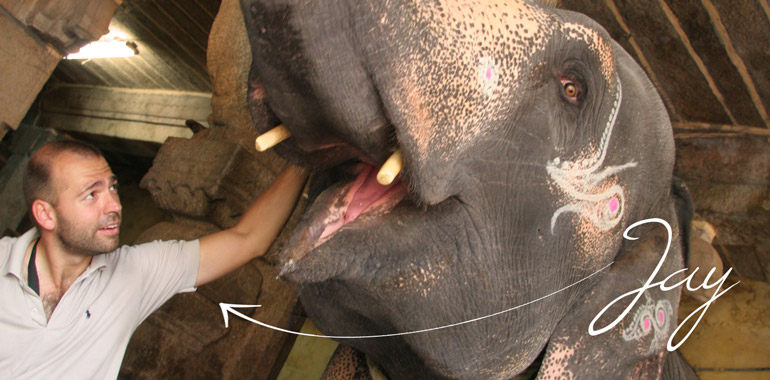
In November 2026, we will travel to India with a group of photography enthusiasts. On this trip, you can learn the art of photography from Jay Vandermeer, who for many years worked as a photographer for the international agency Corbis (now Getty Images). Jay has traveled the world capturing images you may have seen in magazines.
Jay teaches every aspect of photography, so you do not need to know how a camera works beforehand to take spectacular photos from day one. If you already have experience, this trip will exceed your expectations. Before the trip, we invite you to a private session with Jay to create a personalized learning plan.
Jay will teach photography in all its aspects: image composition, playing with exposure, portrait techniques, capturing movement, the art of black and white… all while visiting palaces and temples, tracking tigers and interacting with elephants, admiring dancers and villagers, and enjoying landscapes, nature, and culture.
India is a vast and versatile country. You could travel here for a year and still feel you haven’t seen it all. Jay has traveled extensively across India, enjoying it not only for the beautiful photos he captured. A trip to India is a journey to the very soul of the country.
On this trip, we focus on a very special region of India called Rajasthan, the Land of Kings. This state is known for its abundance of colors, reflected in the traditional clothing of its women. Rajasthan is home to fortresses and palaces, temples, and landscapes that range from deserts and lakes to forests and mountains.
Besides Rajasthan, we also visit the erotic temples of Khajuraho, the impressive ghats of Varanasi (Benares), and of course... the famous Taj Mahal.
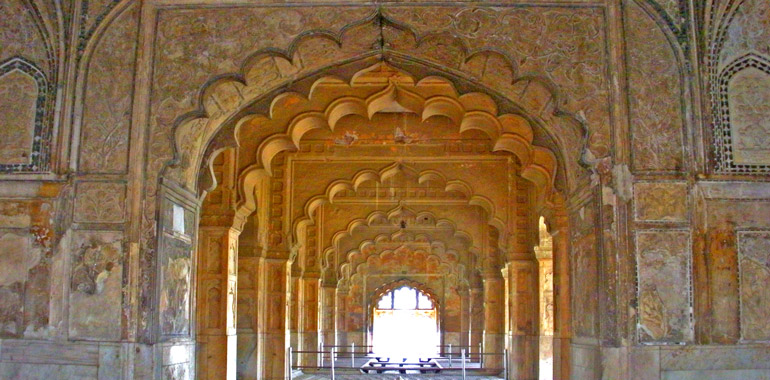
Delhi, the capital of kingdoms and empires, is now a sprawling metropolis with a fascinating blend of past and present. It is a perfect introduction to the layered culture of an ancient land. A window into the kaleidoscope—that is India.
Overnight stay in Delhi.
Breakfast at the hotel.
Guided exploration of Old and New Delhi.
Visit AGRASEN BAOLI, a 60m long and 15m wide historic stepwell near Connaught Place, protected by the Archaeological Survey of India.
Next, the magnificent RED FORT (closed Mondays), built 1638–48 during the Mughal Empire. Its stone walls, bastions, gates, and windows mark the grandeur of Shahjahanabad, the seventh city of Delhi.
Walk through JAMA MASJID, one of Asia’s largest mosques, and the narrow streets of CHANDNI CHOWK, exploring spice markets, traditional wholesale bazaars, and metal markets.
Enjoy a rickshaw ride through Chandni Chowk.
Visit a Sikh Temple and participate in the community kitchen LANGAR, which serves over 5,000 meals daily, embodying equality and sharing. Enjoy an Indian colonial-style lunch.
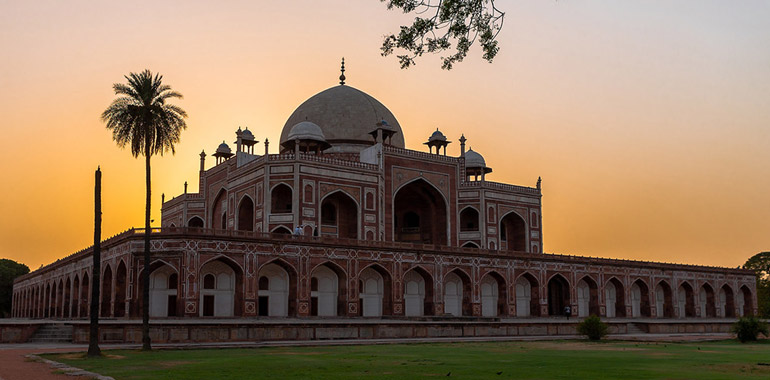
Explore NEW DELHI, reflecting British legacy, including QUTUB MINAR and HUMAYUN’S TOMB. Finish with the India Gate, Parliament, and Rastrapathi Bhawan.
Overnight stay in Delhi.
Breakfast at the hotel in Delhi, transfer to the airport for the flight to Udaipur.
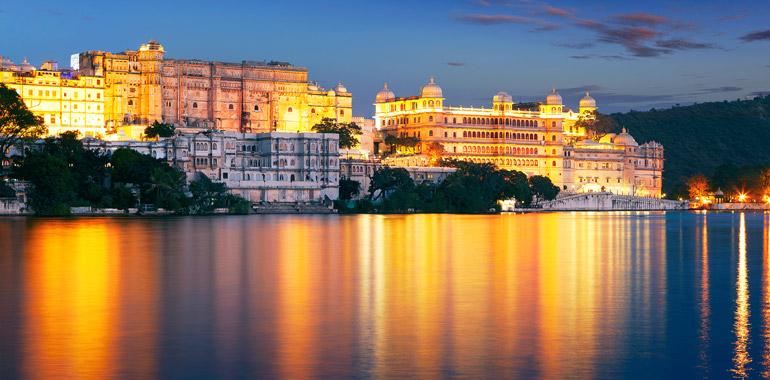
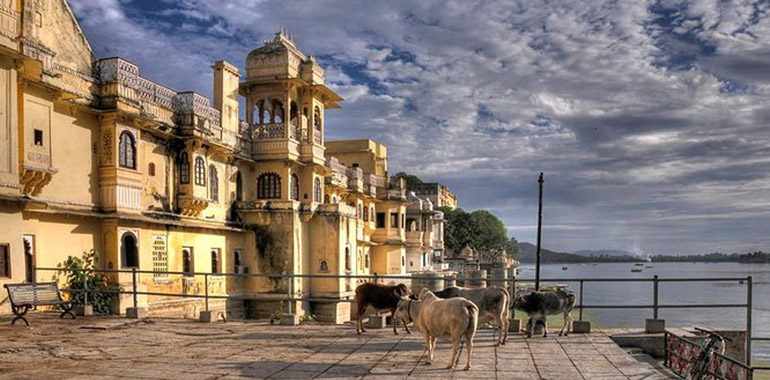
Udaipur, the City of Dawn, surrounded by the Aravalli hills, is enchanting. Its palaces, lakes, temples, gardens, and narrow alleys reflect the heroic past of Mewar.
Boat ride on LAKE PICHOLA to view Udaipur and visit Jag Mandir Palace.
Dinner at JAG MANDIR PALACE.
Overnight in Udaipur.
Breakfast at the hotel.
CITY PALACE – Located on the east bank of Lake Pichola, built from 1559 AD onward. The palace balconies offer panoramic views of Jag Niwas (the famous Lake Palace Hotel), Jag Mandir, and the city of Udaipur. Main entrance via the triple-arched gate, Tripolia, built in 1725. Explore a series of courtyards, terraces, corridors, and gardens. Highlights include Suraj Gokhda, Mor-chowk (Peacock Courtyard), and Bhim Vilas with Krishna murals. Other palaces include Dilkhush Mahal, Sheesh Mahal, Moti Mahal, and Krishna Villas.
Marvel at mirrored rooms, ivory doors, stained glass windows, and marble balconies.
CRYSTAL GALLERY: The largest private crystal collection in the world, established by Maharana Sajjan Singh in 1877. Includes decorative objects, tableware, sofas, and a jeweled carpet.
SAHELIYON KI BARI – Built mid-18th century, 'Garden of the Maidens' with pools, flower beds, fountains, and shaded areas, fully gravity-fed.
JAGDISH TEMPLE: Built in 1651, an important monument in Udaipur. Two-story Mandapa attached to a Saandhara sanctuary, pyramidal roof, and ornate corridors. Constructed by Maharana Jagat Singh I.
OPTIONAL:
1. Free time for personal activities.
2. Excursion to Eklingji.
3. Participate in a traditional Indian cooking class.
EKLINGJI: Visit the revered 108-temple complex dedicated to Lord Shiva, built 734 AD. Return to Udaipur.
COOKING CLASS: Learn local culinary secrets with professional instructors. Enjoy your creations!
Overnight in Udaipur.
Breakfast at the hotel, then drive through the heart of Rajasthan.
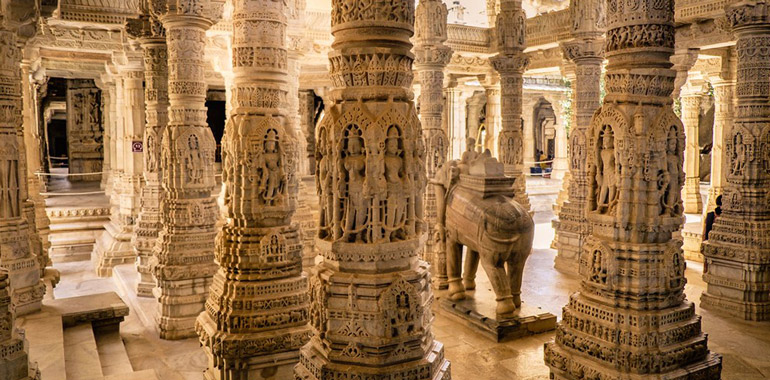
RANAKPUR TEMPLES – Famous worldwide for their intricate architecture, these 15th-century Jain temples were built by Seth Dharna Shah with the help of Rana Kumbha. Over 1400 exquisitely carved marble pillars support the complex.
Continue to Kumbhalgarh for a visit.
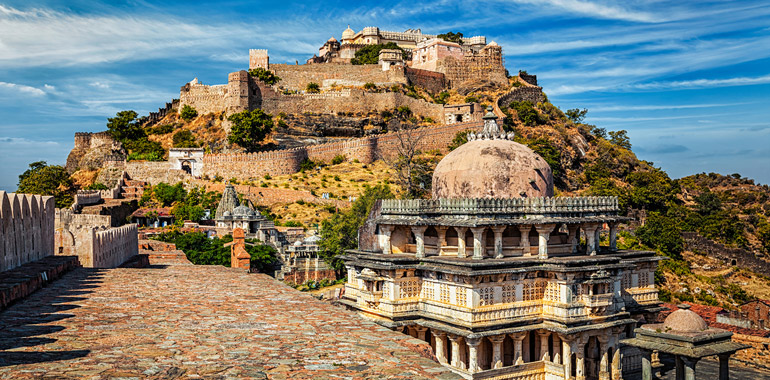
KUMBHALGARH FORT: One of Rajasthan’s finest examples of defensive fortifications. The fort wall stretches 32 km with stunning panoramic views.
Lunch in Kumbhalgarh.
Drive to Deogarh, check in at the stunning heritage hotel, Deogarh Mahal.
Deogarh lies at the borders of Mewar, Marwar, and Merwara, historically ruled by 'The Rawat'. Known for miniature painting traditions, visible on the palace walls.
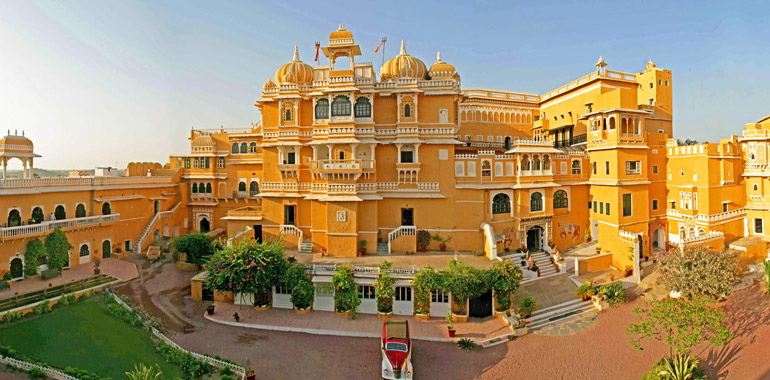
DEOGARH MAHAL – 17th-century palace atop a hill, overlooking Aravalli hills and lakes. Converted into a heritage hotel by Rawal Nahar Singh. Guests enjoy a unique blend of history, architecture, and luxury.
Overnight at Deogarh Mahal.
Breakfast at the heritage hotel.
Explore DEOGARH on foot, including the local market and surrounding countryside. The village market has shops selling silver jewelry, clothing, fabrics, food, and everyday items.
Return to the hotel for lunch.
Later, drive to Khambli Ghat Pass and board a rural train to Phulad.
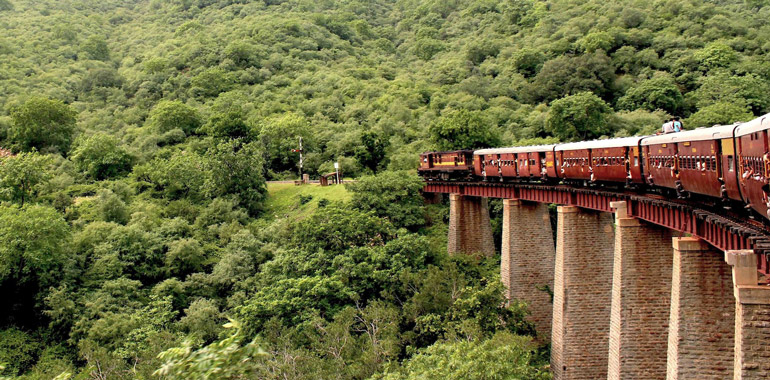
The train route between Jodhpur and Udaipur climbs the scenic Khambli Ghat Pass. This one-hour ride offers beautiful forests, hills, and interactions with locals, guided by one of our local guides.
Arrive in Phulad and transfer to JODHPUR. Check in and relax.
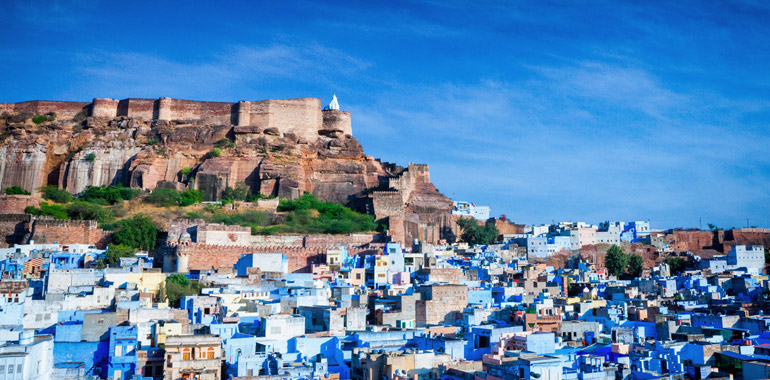
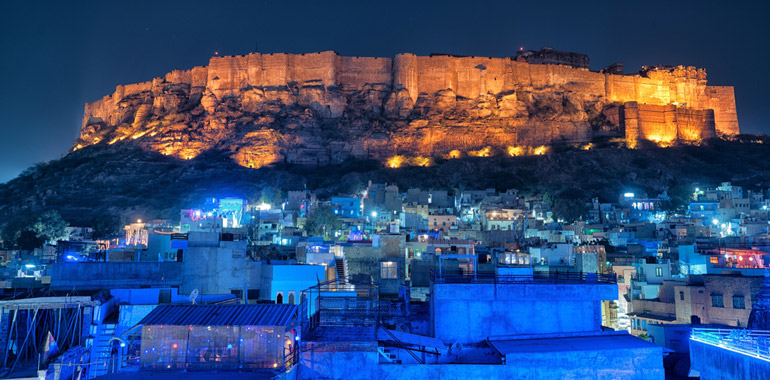
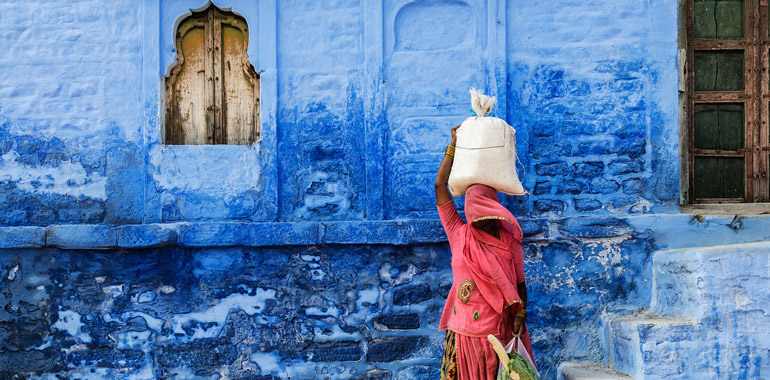
Jodhpur, the Blue City, on the edge of the Thar Desert, founded 1459 AD by Rao Jodha of the Rathore clan. Visit the old city, known for its indigo-colored houses and Mehrangarh Fort.
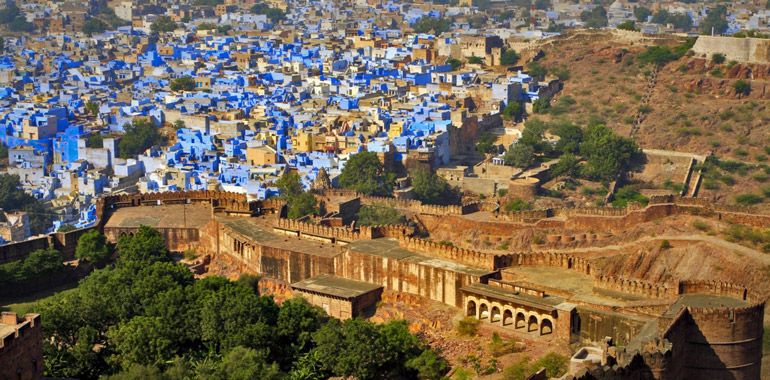
The blue houses were originally for Brahmins, but others followed. The color reduces heat and keeps mosquitoes away. Jodhpur is near the geographic center of Rajasthan, convenient for touring. The old city is surrounded by a thick stone wall with six main gates: Nagauri, Merati, Sojati, Jalori, Siwanchi, and Pol Chand.
Overnight in Jodhpur.
Breakfast at the hotel.
MEHRANGARH FORT: Perched on a steep hill, Mehrangarh Fort is one of India’s largest forts. The beauty and grandeur of its numerous palaces tell a story in hard sandstone, intricately carved by Jodhpuri artisans. Stretching 5 km along a vertical hill and standing 125 meters above the city, it offers majestic views. Built in 1459 under the guidance of a saint, it was designed as an impregnable seat of power. The fort is renowned for its exquisitely latticed windows, carved panels, and elaborately decorated palaces such as Moti Mahal, Phool Mahal, and Sheesh Mahal. Collections of musical instruments, palanquins, royal attire, furniture, and cannons along the walls are well preserved.
JASWANT THADA: Near the fort complex, Jaswant Thada is a 19th-century royal cenotaph built in white marble to commemorate Maharaja Jaswant Singh II, along with three other cenotaphs nearby. The cenotaph of Maharaja Jaswant Singh contains rare portraits of Jodhpur rulers and Maharajas. Visiting these cenotaphs, accompanied by local villagers, offers insight into the reverence they hold for their brave kings.
Visit the museum at UMAID BHAWAN Palace.
Umaid Bhawan Palace, the former residence of Maharaja Umaid Singh, was built in the 20th century. Today, 70% of the palace is managed by the Taj Hotels group. A portion remains private for the royal family. The palace functions as both a residence and a museum. If time permits, the vintage car collection inside is worth seeing, with rare gems awaiting enthusiasts.
The rest of the day is free.
Dinner at a rooftop restaurant offering stunning views of the illuminated fort.
Overnight in Jodhpur.
Breakfast at the hotel.
Explore the old city of JODHPUR, including Ghanta Ghar, the Clock Tower of Rajasthan, located in the bustling Sadar Bazaar. Built by Shri Sardar Singh Ji, the market is popular among tourists shopping for Rajasthani textiles, clay figurines, miniature camels and elephants, and more.
Later, transfer to Manvar by vehicle. Check-in at the camp.
HIGHLIGHTS OF MANVAR DESERT: An adventure jeep ride across dunes and ridges. Small convoy vehicles traverse the dunes, sometimes getting stuck—part of the fun is "digging out" and enjoying the soft sand before continuing.
Desert excursions proceed in JEEPS.
The desert wind flows through dunes and "streets" (valleys between dunes). A gentle one-and-a-half-hour ride covers the terrain while spotting wildlife: delicate desert gazelles wander freely, often seen near dunes or camouflaged among trees and shrubs. Stop for photos and observe animals and tracks, or focus on birds or rarer encounters.
Manvar is an ideal base to explore desert life, culture, wildlife, and landscapes. The Manvar Desert Resort is built in traditional desert village style with eco-innovations, while Manvar Camp, seven kilometers from town, offers a pristine, tranquil desert sanctuary.
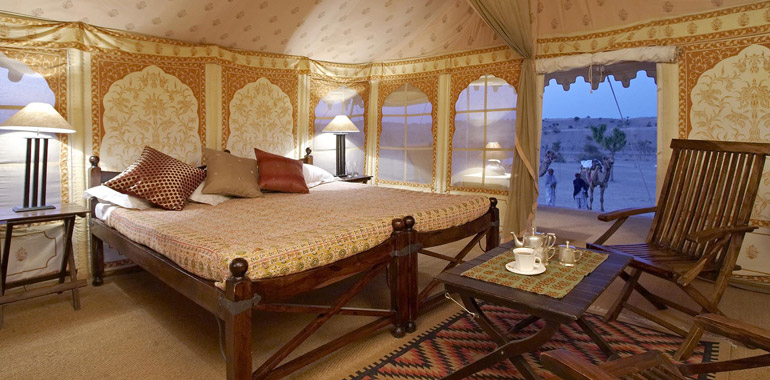
Village walks in Manvar offer a chance to experience local life within captivating desert scenery. The landscape is mesmerizing; for miles, only the wind is heard. Occasionally, villagers appear in colorful attire, like a mirage. Visit traditional homes (Bishnois, Rajputs, Meghwals), artisan workshops (carpenters, metalworkers, shoemakers), and see unique flora and fauna adapted to the desert. Trips to desert farms show local agriculture, and a hike up the hill temple behind the resort offers panoramic views.
Late afternoon, visit SAND DUNES to see a typical Rajasthani desert village. Enjoy a CAMEL SAFARI across the dunes.
Watch the sunset from the dunes as the sky ignites.
Return to camp for dinner and overnight in Manvar.
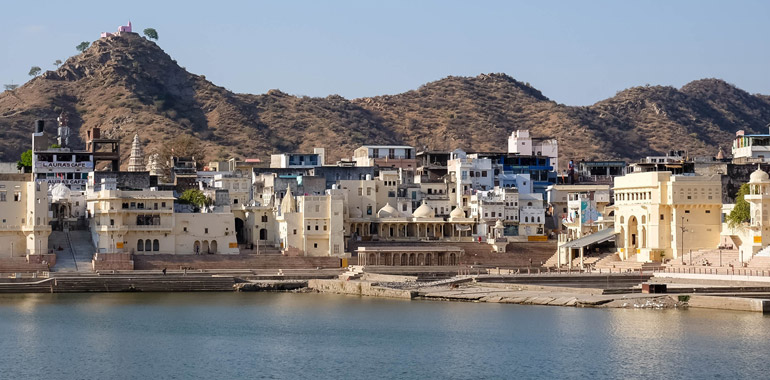
Breakfast at the camp, then drive to Pushkar. Visit the temples along the lake, the ghats, the grand Brahma Temple, and explore the narrow local streets.
PUSHKAR is a sacred city for Hindus, 11 km from Ajmer. Its charm lies in the lake with naturally supplied water—a miracle in the desert. Referenced in the Ramayana and Mahabharata, its history dates back to the 4th century BCE.
Pushkar hosts many temples; the most famous is the Brahma Temple, one of the few in the world dedicated to Brahma. Marked by a red spire, the entrance bears the symbol of Hansa, or swan, chosen by Brahma himself.
SAVITRI TEMPLE: Dedicated to Brahma’s first wife, located on the hill behind the Brahma Temple. Accessible by steps, it offers panoramic views of the lake and desert landscape.
Blessed with cultural diversity, Pushkar hosts the famous Pushkar Fair, attracting traders and visitors from across Asia. A pilgrimage city with over 500 temples and ghats, Pushkar radiates peace and spirituality. The city is also known for its roses, exported worldwide.
Overnight in Pushkar.
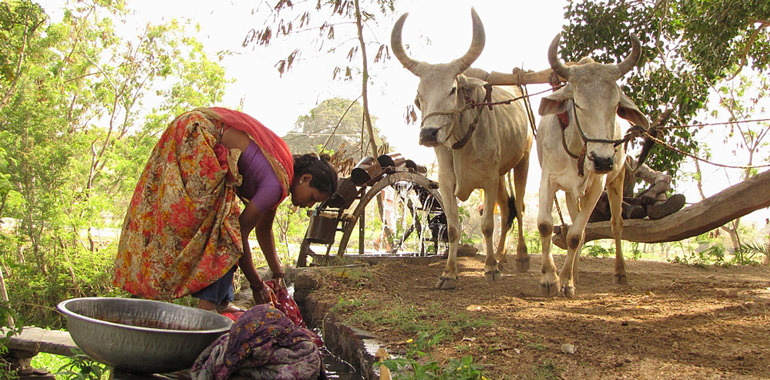
Breakfast at the hotel, then continue by road to Jaipur.
En route, visit Ajmer, Kalpa Vriksha (Mangliyawas Adansonia Digitata Linn), Roopangarh Fort, Kuchaman Fort, and Sambhar Salt Lake.
AJMER is India’s most sacred Muslim pilgrimage site, famous for the Dargah (tomb) of Sufi Saint Khwaja Moinuddin Chisti. Among the few places in Rajasthan under direct British rule, Ajmer features Anasagar Lake and Daulat Gardens. The Dargah, resting at the foot of a barren hill, is a spiritual experience, completed by Humayun, with later contributions from the Nizam of Hyderabad and Shah Jahan.
Continue through the city of Ajmer.
DARGAH: The most important pilgrimage site in India for all religions, the magnificent tomb of Sufi Saint Khwaja Moinuddin Chisti, known popularly as Khwaja Sharif.
SHAHJAHAN MOSQUE: Located in the inner courtyard of Dargah, this white marble structure with 11 arches and delicate carvings is the most remarkable within the Dargah complex.
ADHAI-DIN-KA-JHOPRA: An extraordinary Indo-Islamic architectural marvel on the city outskirts, originally a Sanskrit university, converted into a mosque by Mohammad Ghauri in 1193 AD in just two and a half days (hence its name).
MANGLIYAWAS, 26 km from Ajmer, is known for two rare 800-year-old Adansonia Digitata Linn trees. Devotees tie threads around these trees, believing their wishes will be fulfilled.
Kuchaman is famous for KUCHAMAN FORT, built by the Gurjar Pratihara dynasty in 760 AD, overlooking the city. The fort has 10 grand entrances and 32 bastions, historically housing the town within its walls. Frescoes and miniature paintings depict Hindu mythology.
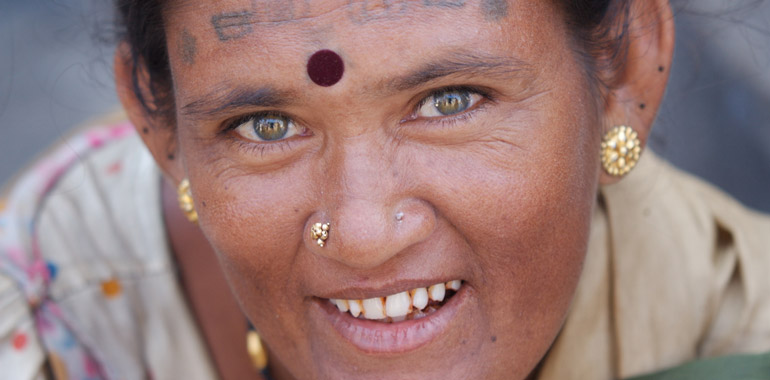
Sambhar Salt Lake, India’s largest inland salt lake, lies 80 km southwest of Jaipur and 64 km northeast of Ajmer.
Continue to Jaipur, the “Pink City.” Check-in at the hotel and relax.
JAIPUR is Rajasthan’s capital, famed for romantic palaces, formidable forts, and majestic Maharajas. Founded by Jai Singh II, its architecture and streets reflect centuries of royal culture and Mughal influence.
Overnight in Jaipur.
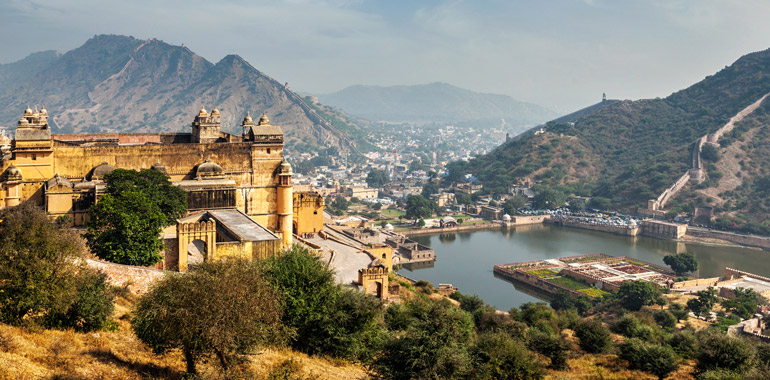
Breakfast at the hotel. Ascend (if possible) by elephant to AMER FORT on the hill near Jaipur.
Amer Fort, perched outside Jaipur in the Aravallis, features cobbled paths, views of Maota Lake, and numerous palaces, including the stunning Sheesh Mahal (Hall of Mirrors), decorated with thousands of mirrors and colored glass. The fort’s architecture was designed to allow the queen to feel she was sleeping under the sky.
Return to Jaipur city. Drive past JAL MAHAL for a photo stop (not open to visitors).
Explore CITY PALACE, including Chandra Mahal and Mubarak Mahal, built according to Vaastushastra principles. Chandra Mahal partially functions as a museum.
Visit JANTAR MANTAR, home to the world’s largest sundial and UNESCO World Heritage Site.
Lunch at a local restaurant with traditional silver/bronze serving platters.
Visit HAWA MAHAL, the “Palace of Winds,” a latticed facade allowing royal women to observe street life while maintaining purdah.
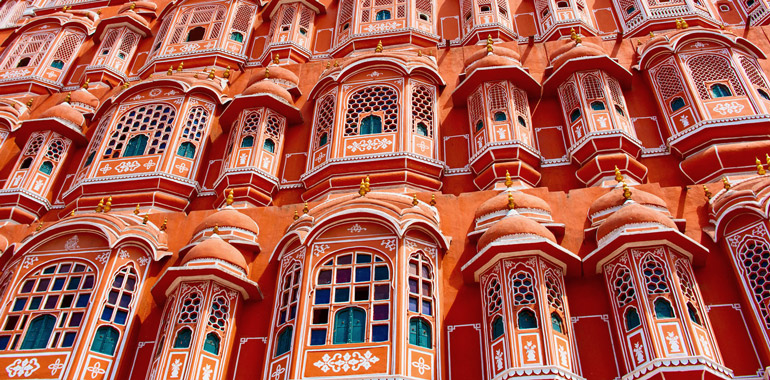
Explore Jaipur’s vibrant bazaars, known for block printing, pottery, carpet weaving, gemstones, and local crafts. Visit the Birla Temple in the evening for a glimpse of Jaipur’s religious life. The temple features marble statues, including Lakshmi and Narayan, and the AARTI ceremony with oil lamps.
NOTE: Photography inside the temple is not permitted.
Overnight in Jaipur.
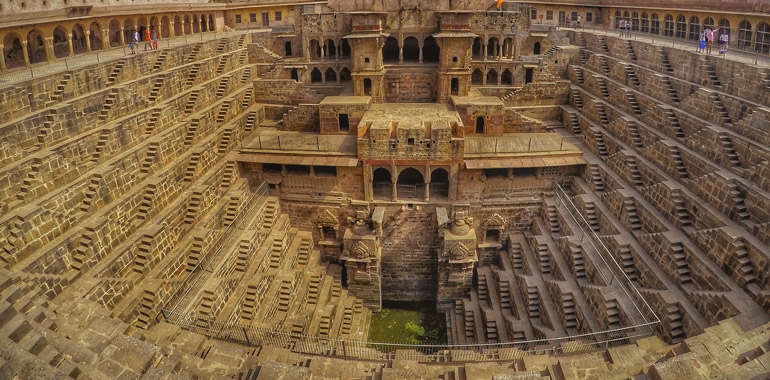
Breakfast at the hotel. Drive to Ranthambore visiting GALTA JI TEMPLE.
Later, visit CHAND BAORI in Abhaneri.
Abhaneri, known for post-Gupta and early medieval monuments, showcases Gurjar Pratihari art. Chand Baori, a 100-meter deep stepwell with steep steps arranged in inverted “V” patterns, is a masterpiece of architecture.
Continue to Ranthambore. Check in at the resort/lodge.
RANTHAMBORE TIGER RESERVE spans the Aravalli and Vindhya ranges, featuring rolling terrain and dense wildlife, most famously tigers. While sightings are rare, evidence of tiger activity is always exciting.
Dinner at the resort/lodge. Overnight in Ranthambore.
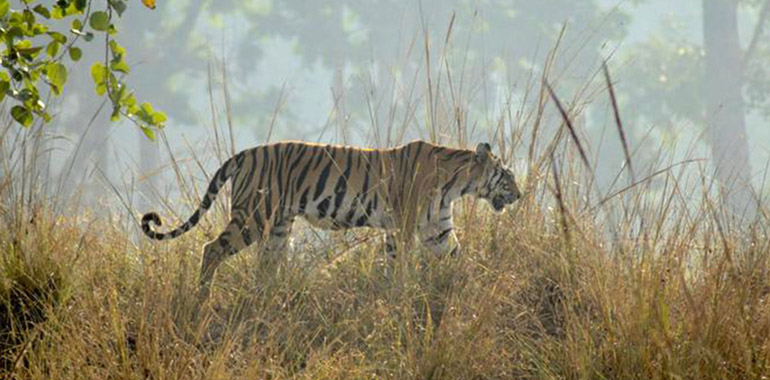
Early morning wake-up for a safari in the national park, tracking tigers and other wildlife. Return to the resort/lodge by 10:00 AM for breakfast.
After freshening up, visit the ANCIENT FORT in the forest and GANESH TEMPLE, or relax at the lodge pool.
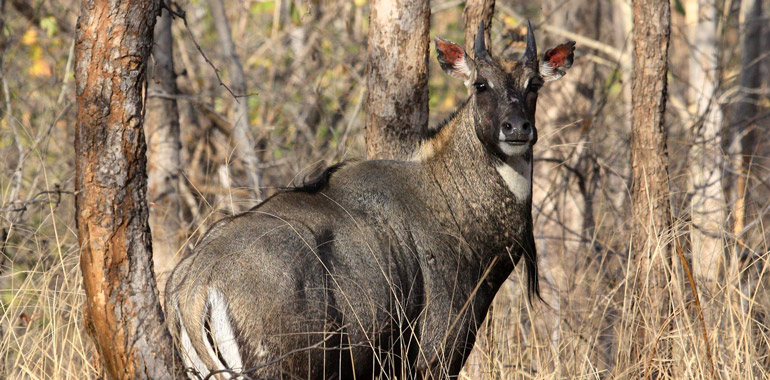
Afternoon lunch followed by a second safari until late afternoon. Typically, safaris end by 5–6 PM.
Overnight at the resort/lodge.
We wake up early in the morning and head to the station to take a train (airline-style seating) to BHARATPUR.
A packed breakfast will be organized from the resort/lodge and will be eaten on board during the train journey.
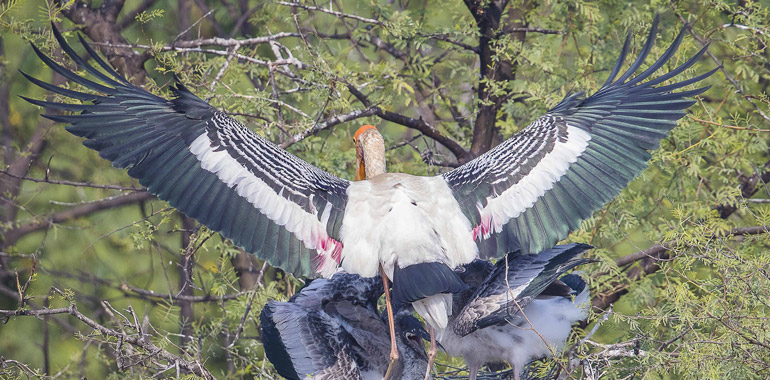
Upon arrival in Bharatpur, we take a rickshaw with a guide in the park, observing birds from all over the world.
The great Maharaja Suraj Mal was the founder of the ancient princely state of the Jat rulers. He even once conquered Delhi. The KEOLADEO GHANA NATIONAL PARK is one of the best waterbird sanctuaries in the world. The Maharaja of Bharatpur artificially created the lake and wetland in the 19th century. The Keoladeo marshes (an area of 24 square kilometers, established as a bird sanctuary in 1956 and as a National Park in 1981) were the private hunting reserves of the Maharajas and were developed in the late 19th century by creating small dams to collect rainwater, fed by an irrigation canal.
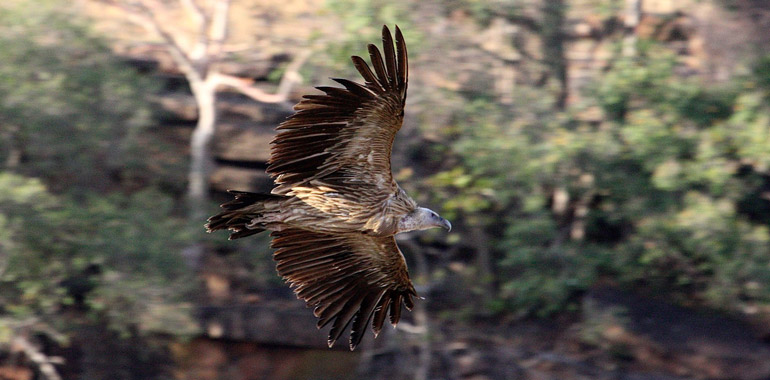
The colorful kingfisher, graceful pelicans, rare Siberian cranes, and transcontinental migratory waterbirds are among the 375 species found in Keoladeo National Park. The most spectacular nests belong to egrets, storks, herons, and cormorants, producing over 10,000 nests each year.
We enjoy lunch at a hunting lodge in Bharatpur.
Later, we drive to FATEHPUR SIKRI.
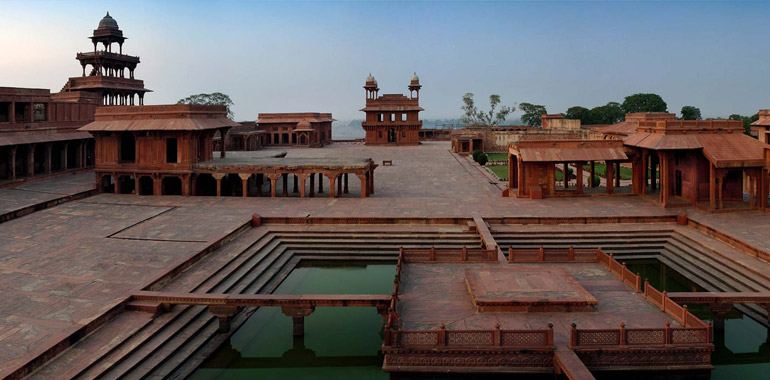
Jajal-ud-din-Muhammad Akbar, the son of Humayun, ascended to the throne at the tender age of 14. While hunting around Sikri, he became curious about songs sung by some minstrels about the famous Khwaja Mu'inu'd-din Chisti, founder of the Chisti Sufi order. Akbar, who had no male heir, heard of Saint Salim Chisti and visited him in 1568. The saint blessed him with three children, and in gratitude, Akbar ordered the construction of the grand mosque at Fatehpur Sikri under his supervision. To honor the saint, Akbar moved his capital to Fatehpur Sikri and built several secular buildings such as the Diwan-I-Am, Diwan-I-Khas, the palace of Jodhabai, Birbal’s house, Marian’s house, and the Panchmahal.
Later we travel to Agra.
AGRA: Two great Mughal monarchs, Akbar and Shah Jahan, transformed the small village of Agra into a second capital worthy of the Mughal Empire, naming it Dar-ul-Khilafat (Seat of the Emperor). Today, a visitor to Agra is immersed in a world of contrasting buildings, red sandstone and white marble, narrow lanes and picturesque buggies, and the irresistible charm that still makes this city a Mughal favorite. It is no surprise that modern Agra still reflects its Mughal heritage most visibly.
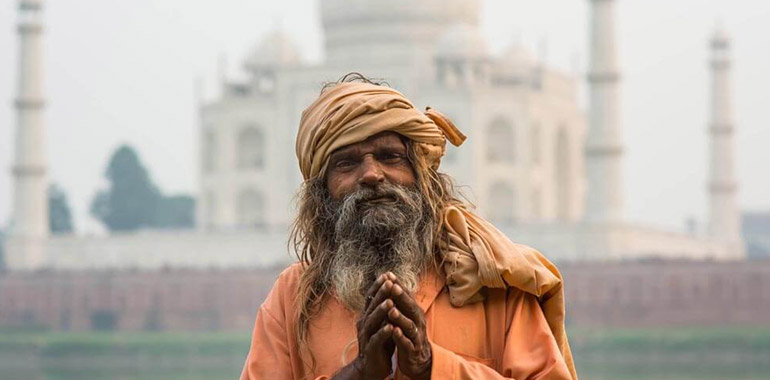
Upon arrival, proceed for photography of the TAJ MAHAL from Mehtab Bagh or from a special viewpoint not known to others. Capture the magnificent view of the Taj Mahal through your lenses and appreciate the beauty of this architectural wonder from the other side of the YAMUNA RIVER.
After the photo session, transfer to the hotel, check-in, and relax. Overnight stay in Agra.
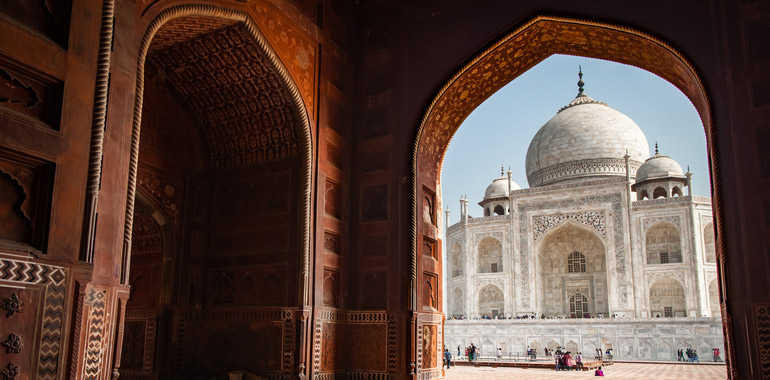
TAJ MAHAL: Little needs to be said about this architectural marvel, which is the soul reason every tourist visits Agra. Built by Shah Jahan for his beloved wife Mumtaz Mahal, the Taj took 22 years to complete and was designed by Persian architect Ustad Isa. Besides its impressive design balance and perfect symmetry, the Taj also stands out for its elegant domes, intricately carved screens, and some of the finest inlay work ever seen.
Later, visit DHOBI GHAT or the traditional laundry. You can see the dhobi wallahs washing clothes in the traditional way along the Yamuna River. Return to the hotel for breakfast.
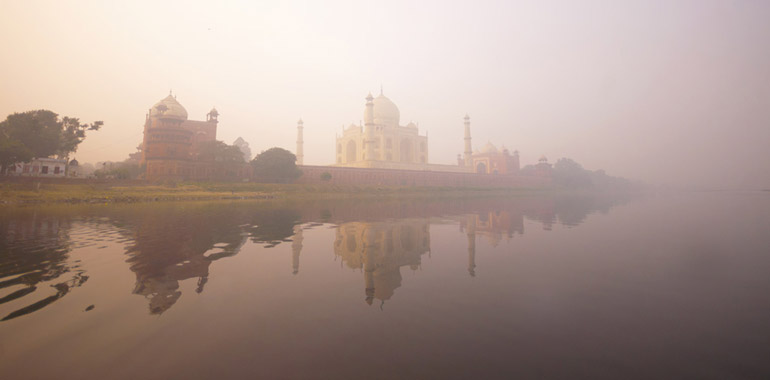
Begin the city tour; the first stop is the Agra Red Fort.
AGRA FORT: The red sandstone structure is surrounded by a square four-quadrant garden. Built by the famous Mughal emperor Akbar in 1565 AD, the fort is predominantly red sandstone. Inside is the exquisite Pearl Mosque, one of the main tourist attractions. Located along the bend of the Yamuna River, nearly at the city center, Akbar built it as his citadel between 1563-73 in the finest architectural style, featuring massive gates, walls of red sandstone, and a moat.
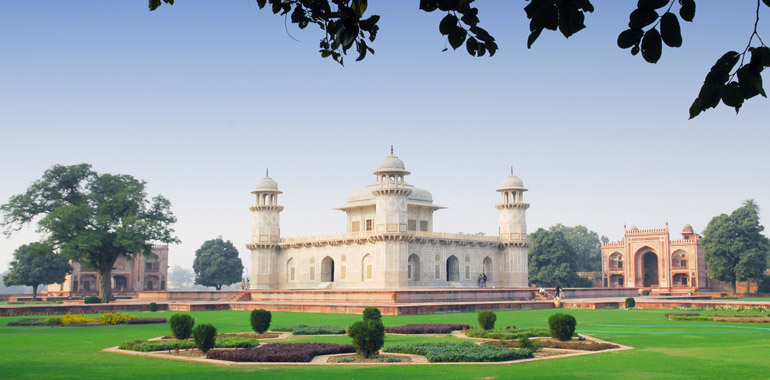
Visit 'Baby Taj' or ITMAD-UD-DAULAH – its interiors are considered even more exquisite than the Taj. Built in 1628 by Nur Jahan, wife of Jahangir, for her father, it is one of the most beautiful Mughal tombs. The mausoleum, resting place of the powerful court personality Itmad-Ud-Daulah, is made entirely of white marble with intricate inlay and screen work in Islamic style. With its small, tranquil garden along the Yamuna, the tomb rises impressively elegant from a distance.
In the late afternoon, we start a culinary walking tour of Mughal Agra with a local expert, passing through historic markets and sampling local foods.
We also visit a workshop to witness Agra’s intricate masonry work.
After lunch, continue with a heritage walk across the YAMUNA River with our guide.
On the other side of the TAJ MAHAL across the Yamuna River, where Mughal history is written in stone edicts, the riverbanks supported residences that facilitated Mughal Agra’s development. These heritage relics are woven together for a historical Mughal Agra experience. Walk through various monuments amidst rural surroundings interwoven with communities, with stunning views of the TAJ MAHAL.
Main attractions:
Gyarah Sidi (Eleven Steps) is a lesser-known monument at the beginning of the village tour. After Babar, his eldest son Humayun ascended the Mughal throne. Humayun had great interest in astrology. He built Jantar-Mantar, a set of monuments to study star constellations. Only small parts remain today, known as Gyarah Sidi or Eleven Steps. Carved from a single stone block, it is located on the Yamuna Riverbank and offers a view of the Taj Mahal and Agra Fort.
Humayun Mosque is another important monument in the village. It is a unique type of mosque never built by Mughals elsewhere in India. Within the complex are several sandstone tombs associated with the Mughals.
Moonlight Garden (Mehtab Bagh): Mehtab means “moonlight,” probably designed to view the Taj under moonlight when its reflection appears in the Yamuna. The garden features excellent architecture and irrigation techniques, offering a perfect photo opportunity of the Taj from Mehtab Bagh.
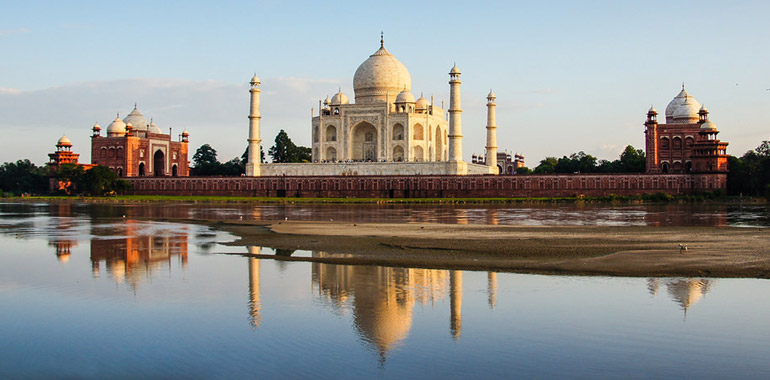
Village experience: A narrow path through farmland leads visitors to the ancient village of Kachhpura, linked to Taj Mahal history. Originally owned by the Hindu king of Kachh, Raja Maan Singh, he also owned the land where the Taj Mahal now stands. According to Shahjahan-Nama, Emperor Shahjahan compensated Raja Maan Singh with four palaces for the site to build the Taj Mahal in memory of his beloved wife, Mumtaz Mahal.
Kachhpura provides insight into local culture and rural life. Visitors see glimpses of traditional village life through elders smoking hookahs, cobblers, local gyms, and a typical community home (living area, kitchen area, religious space, etc.).
Guests enjoy the hospitality of local villagers with a cup of masala chai.
In the morning, we revisit MEHTAB BAGH at sunrise to capture the magnificent view of the Taj Mahal and appreciate its beauty from the other side of the Yamuna River.
After the photoshoot, we return to the hotel for breakfast and travel to Orchha.
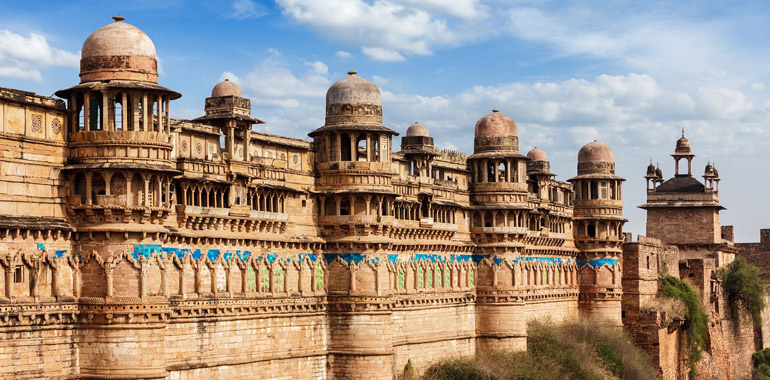
En route, we stop in Gwalior to visit GWALIOR FORT.
Continue the journey to Orchha.
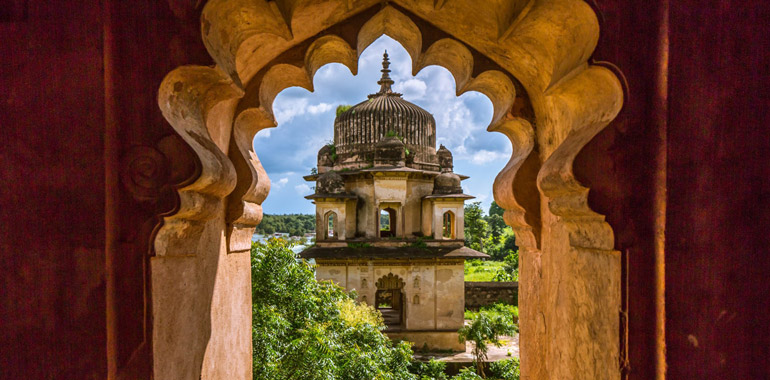
Orchha was the capital of the state. Maharaja Rudra Pratap Singh founded it in 1531 AD. The name Orchha or Ondchha traditionally derives from a teasing remark by a Rajput chief visiting the site selected for the capital city. On an island in the Betwa River, surrounded by ramparts and accessed via a fourteen-arch causeway, lies a huge palace-fort, mainly built by Maharaja Bir Singh Dev. It consists of several connected buildings constructed at different times. The finest of these are Raj Mandir and Jahagir Mahal.
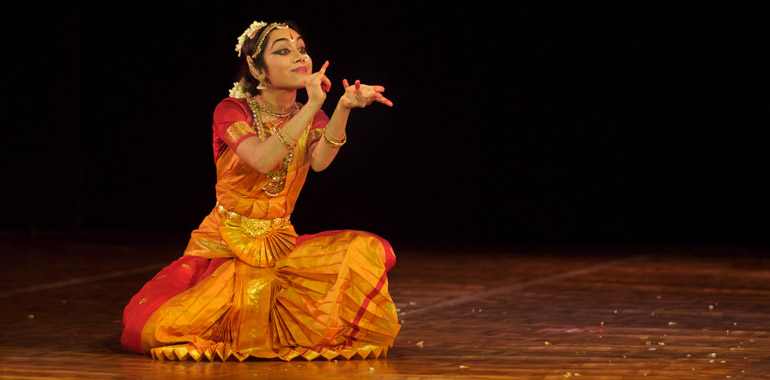
At the end of the day, we do a photoshoot with a Hindu dancer in her traditional costume, at or near ORCHHA FORT, with studio lighting. This will be a masterclass in professional photography, as after more than two weeks, you will be ready for the next step.
Overnight stay in Orchha.
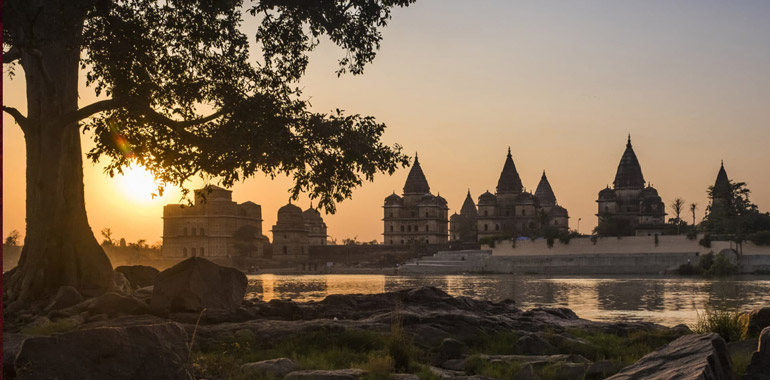
Breakfast will be at the hotel.
We continue visiting the sites of ORCHHA within the fort complex, including the CHATTRIS.
We drive to Khajuraho, and upon arrival, transfer to the hotel.
KHAJURAHO is located in the northernmost part of Madhya Pradesh and is famous for its charming and erotic temples. The name Khajuraho derives from the Khajur tree (date palm), which grows abundantly in the region. The Khajuraho temples celebrate womanhood, its countless moods and facets. Famous for its erotic architecture, the carvings depict women writing letters, applying makeup, braiding hair, dancing, and playing with children. Their innocent, blushing, charming, seductive, and passionate beauty is all represented in exquisitely sculpted details. These temples are designed and carved to guide the viewer’s gaze from the ground upwards, making it seem as though you are looking at the sky.
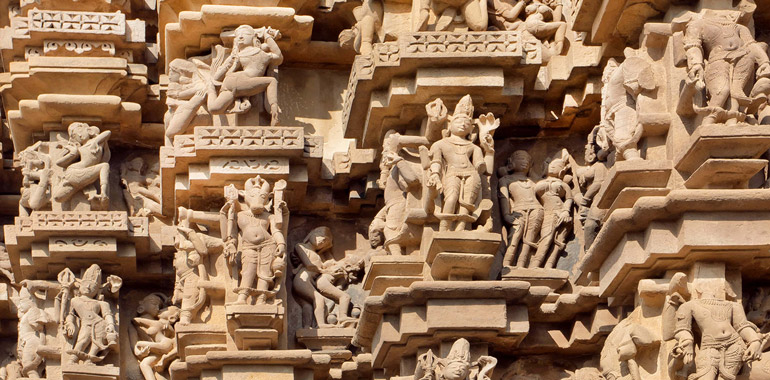
We continue our visit to the exotic and erotic temples of Khajuraho.
In the evening, we enjoy the Light and Sound show at the temple complex. The main temple will be beautifully illuminated for night photography.
Overnight stay in Khajuraho.
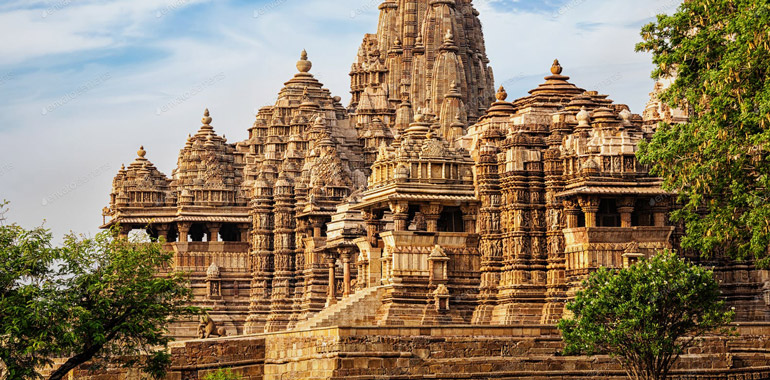
The Western group of temples: Built mainly in one style, the temples have an entrance, assembly hall, vestibule, and finally a circumambulation around the inner sanctum. The temples are divided into three main zones: Western, Eastern, and Southern, of which the Western temples are the most popular.
Kandariya Mahadeo: At 31 m tall, it is the largest and most typical Khajuraho temple, with exquisite carvings and intricate stonework depicting divine deities, celestial maidens, eternal lovers, gods and goddesses. This temple is dedicated to Lord Shiva and enshrines the 'linga'.
Chaunsath Yogini: The oldest surviving temple, dating to 900 AD, dedicated to Goddess Kali. Notably, it is the only granite temple here.
Chitragupta Temple: Dedicated to the Sun God (Surya Dev), it faces east toward the rising sun. The imposing deity in the inner sanctum is about five feet tall and shown riding a horse-drawn chariot. Most dance performances during the Khajuraho Dance Festival occur in front of this temple and Vishwanatha Temple.
Vishwanatha Temple: Features impressive entrances with magnificent stone guardians on the northern steps and royal masonry elephants on the southern steps. The three-headed image of Lord Brahma is equally captivating. A family of owls may be seen nesting behind the statues (photo below).
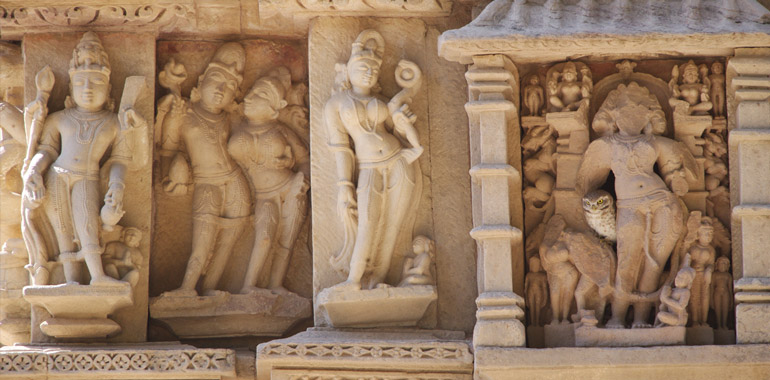
Lakshmana Temple: A beautiful Vaishnava temple featuring a lintel over the entrance depicting the divine trinity of Lord Brahma, Lord Vishnu, and Lord Shiva, along with Goddess Lakshmi, wife of Lord Vishnu.
Matangeshwara Temple: Located outside the Western group complex, this Shiva temple is known for its imposing eight-foot-high lingam (male organ representing natural reproduction and continuity of human life).
Eastern group of temples: The Brahma and Hanuman temples are the most famous and well-preserved in this group. The Vamana Temple displays all ten incarnations of Lord Vishnu.
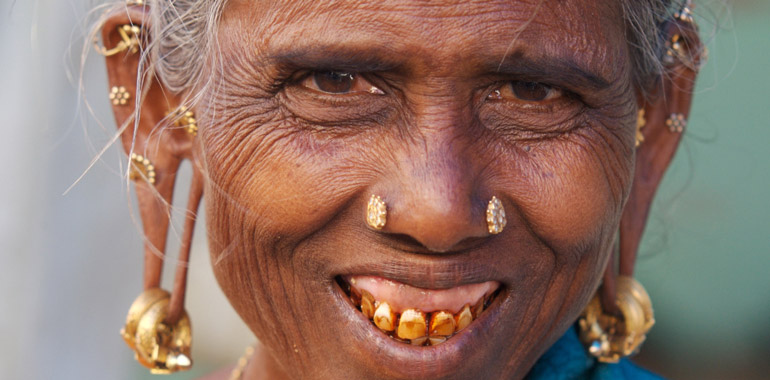
Later in the afternoon, we take a village walk and visit local homes. Capture moments of local life through your lenses.
NOTE: The Khajuraho Dance Festival is scheduled from February 25 to March 3, 2024. Depending on travel dates, we will consider incorporating it.
Overnight stay in Khajuraho.
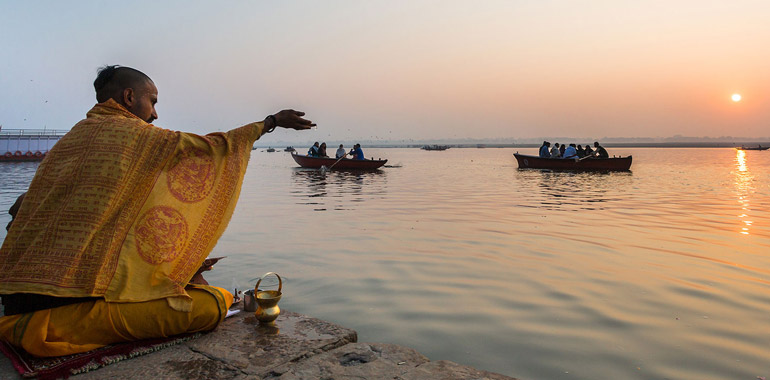
Breakfast will be at the hotel, followed by transfer to the airport for a flight to Varanasi, where we will be received and transferred to the hotel.
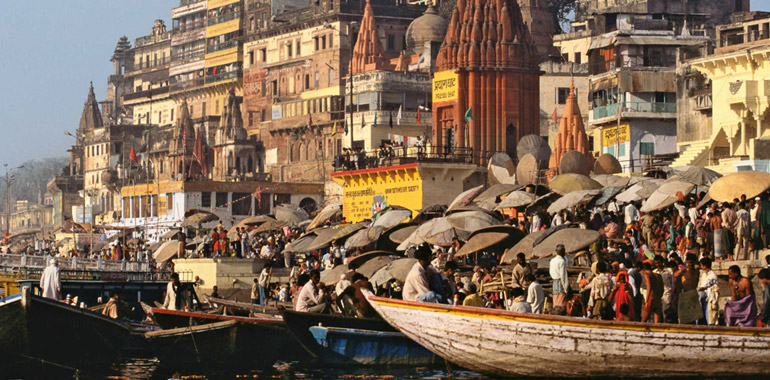
Picturesque, located on the left crescent-shaped bank of the sacred Ganges River, Varanasi, one of India’s ancient learning centers, is said to derive its name from two streams, the Varuna and the Assi, still flowing in the north and south of the city respectively. The name was later corrupted to Varanasi in the medieval period, used until May 1956, when it was officially changed to Varanasi by the Government of India. Varanasi is probably one of the oldest living cities in India. Since ancient times, it has been a major religious center for Hindus and one of their most sacred pilgrimage sites, visited by millions each year. For every visitor, Varanasi offers a breathtaking experience: the morning sun reflecting on the Ganges; tall riverbanks; temples and shrines bathed in golden light… hymns and mantras filling the air with incense… and the refreshing bath in sacred waters splashing gently at the Ghats.
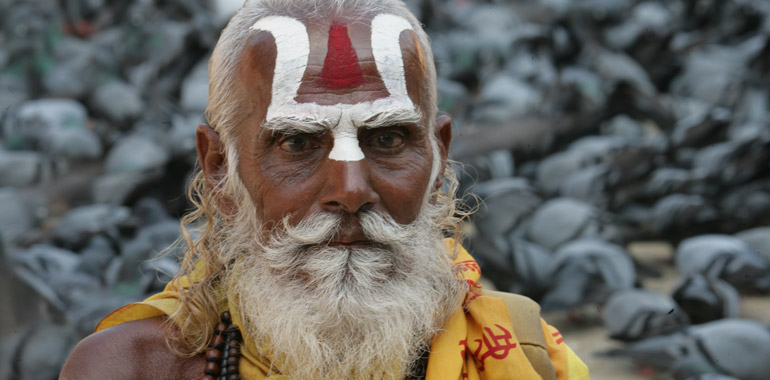
Varanasi – A land where experience and discovery reach ultimate joy. Varanasi is also renowned for its rich tapestry of music, arts, crafts, and education. Some world-renowned figures India produced in these fields were educated in Varanasi’s cultural spirit. Aside from luminaries, Varanasi abounds in silk weaving, an exotic craft reflected in precious Varanasi silk saris and brocades, highly prized worldwide.
In the afternoon, we walk through the streets of Varanasi.
Enjoy the night visit to the Ghats along with the 'Rituals of Death Tour' to learn about the traditions followed during Hindu cremations. This will be followed by the AARTI ceremony at the Ghats (by boat). The guide will explain the procedures and meanings of the chants during the river Aarti.
Overnight stay in Varanasi.
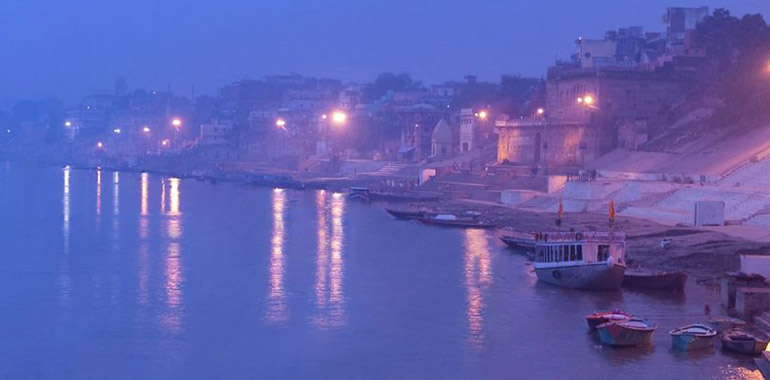
At dawn, we drive to Dashashwamedh Ghat and take a boat ride on the sacred Ganges to see the cremation Ghats and witness the living traditions of one of the oldest and most important religions in the world. Prepare to start at 5:00 a.m.—the best experience of your life! To fully appreciate this extraordinary city, we head to the riverbanks before sunrise.
We board a boat with the guide and from the middle of the river watch the sunrise. Thousands of devotees bathe and pray along the banks while temples and palaces rise in layers from the water’s edge, creating a spiritually immersive atmosphere. Afterwards, we walk through the cobbled streets along the riverbanks. As shops open, the area becomes a hive of activity as devotees come and go.
Return to the hotel for a sumptuous breakfast.
Guided tour of old Varanasi, including the Bharat Mata Temple, featuring a large raised map of Mother India carved in marble. Also visit the 18th-century Durga Temple, commonly known as the Monkey Temple due to its large monkey population. Continue to Tulsi Manas Temple, made of white marble with the entire Ramayana inscribed on its walls.
Transfer to the airport for our flight to Delhi. Upon arrival, we are received and transferred to a hotel near the airport. Check-in and relax.
Overnight stay in Delhi.

We specialize in wedding photography, capturing every detail and every emotion. It’s an honor to be part of your wedding day and the story of your love.

We create artistic portraits of families, couples, babies, children, professional and amateur models, graduation photos, and even pets

El álbum de su boda es la primera herencia familiar y representa el inicio de su nuevo hogar. Seguramente, años a partir de ahora, ustedes seguiran disfrutando este tesoro.

Jay Vandermeer Studios, en el Reino Unido y en el Ecuador, produce imagenes publicitarias para empresas grandes y pequeñas nacionales e internacionales, siempre superando las expectativas.
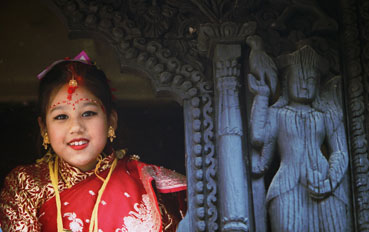
Viajes organizados con Jay para que cada uno pueda aprender fotografía. Vea los lugares más espectaculares del mundo atravez del ojo de un fotógrafo profesional que conoce todos los secretos y ángulos.
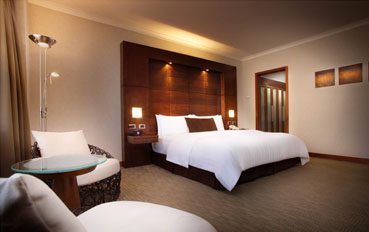
Conoce nuestro servicio de fotografía para bienes raíces. También ofrecemos tours virtuales, videos, imágenes aéreas y mucho mas para facilitar la venta, el arriendo y marketing de propiedades en todo el país.

Para bares, restaurantes y hoteles - grandes y pequeños - ofrecemos soluciones de publicidad. Ofrecemos desde la fotografía hasta el menú, el sitio web y manejo de redes sociales, y cursos para manejar su publicidad.

Conoce nuestros servicios de fotografía editorial, comercial y corporativa. Su imágen corporativa, sea para su sitio web o memoria de sostenibilidad, se lleve al siguiente nivel con fotografía y video profesional.
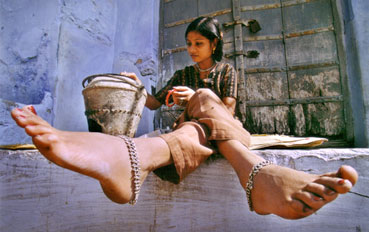
Para su hogar o sus oficinas, las imagenes de Jay de sus viajes alrededor del mundo ahora estan en venta como impresiones de alta calidad. Vea una muestra del arte de la vida, con enmarcación si usted desea.

Para quinceañeras ofrecemos la cobertura de la fiesta y además una sesión de fotografía en exteriores o en nuestro estudio. Juntos diseñamos las sesión y realmente todo es posible para que se hagan realidad los sueños de su princesa-por-un-día.

Las mejores fotos no salen por los estudios y premios del fotografo, sino por la relación entre el y sus clientes, por ende es importante conocernos bien mutualmente. Aqui se hace un pequeño paso en este viaje juntos.
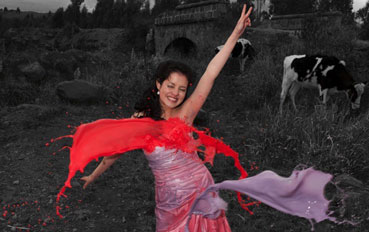
Una sesión de fotos trash the dress se trata de fotografiarse después de la boda en lugares poco comunes usando el vestido de novia. El resultado son unas fotos de novios muy originales y divertidas, muy diferentes a la sesión de novios tradicional...


I am interested in this wonderful journey...